

Equipo Health Unveils Embedded AI Ecosystem to Drive the Next Phase of Care Management Intelligence
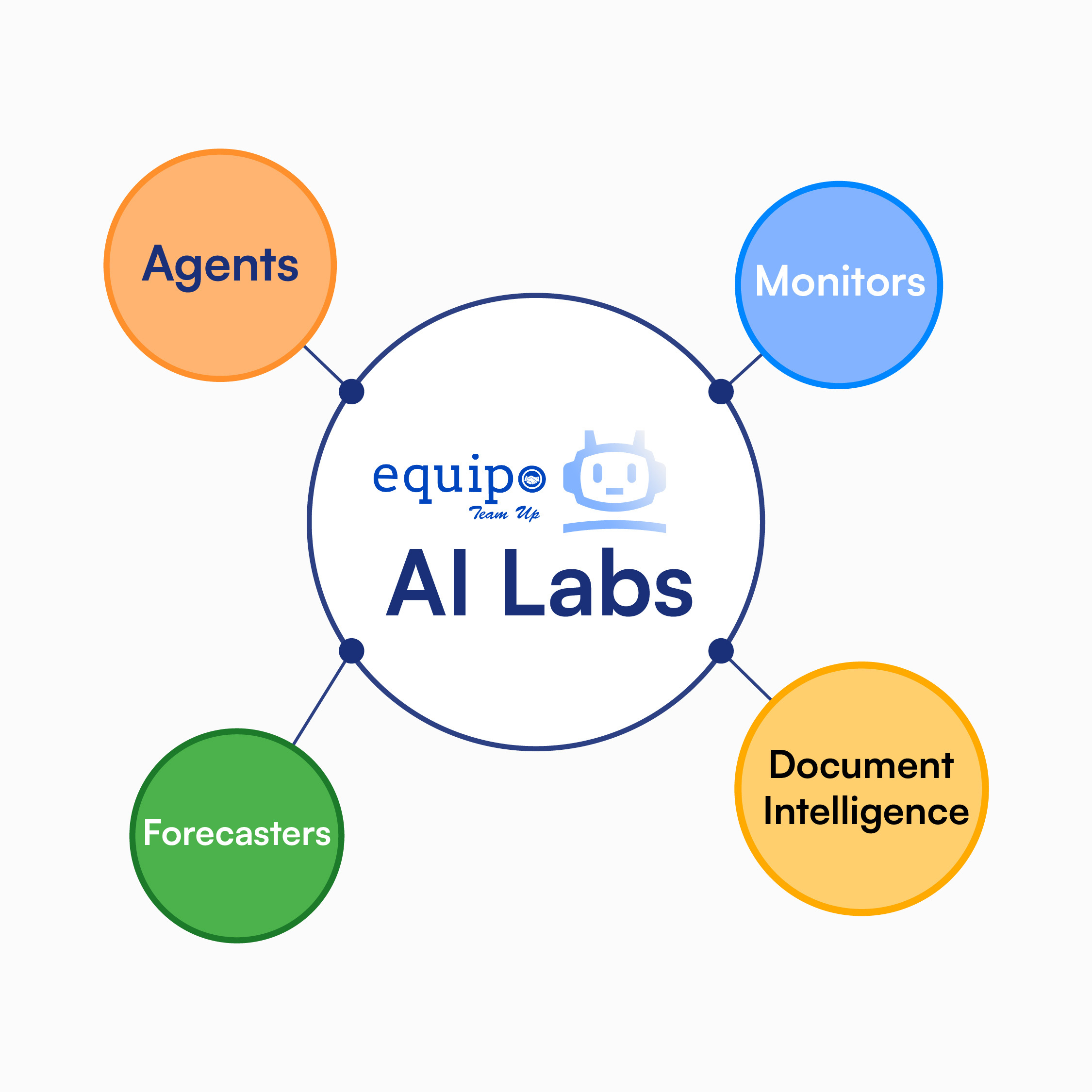
Equipo AI Labs ecosystem integrates agents, monitoring systems, document intelligence, and forecasting into care management workflows.
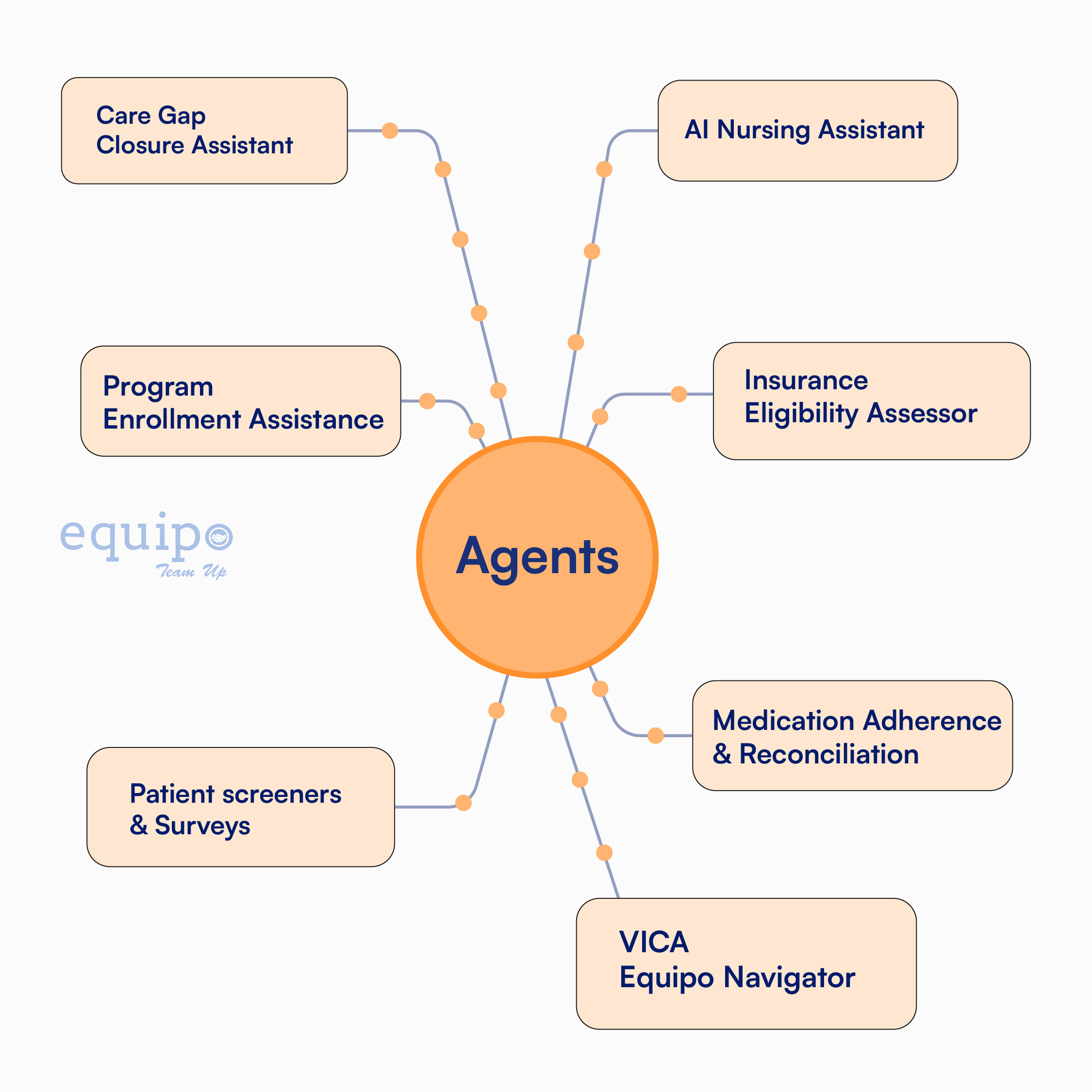
AI agents embedded in care workflows support enrollment, nursing assistance, insurance validation, and patient monitoring.

Equipo AI monitors continuously detect malnutrition risk and clinical deterioration to enable earlier interventions in care management.
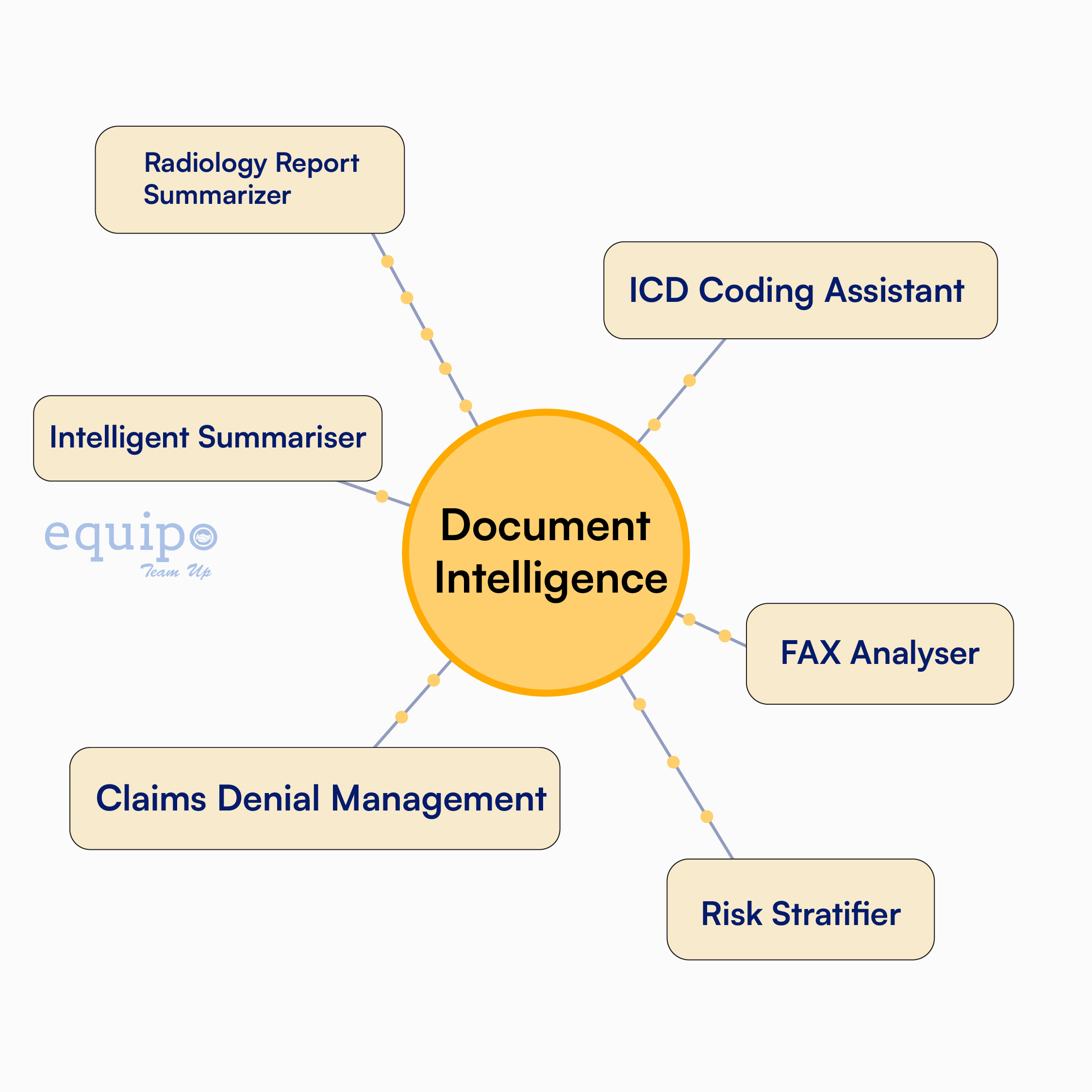
Equipo document intelligence automates summarization, coding, claims analysis, and risk stratification from clinical and administrative documents.
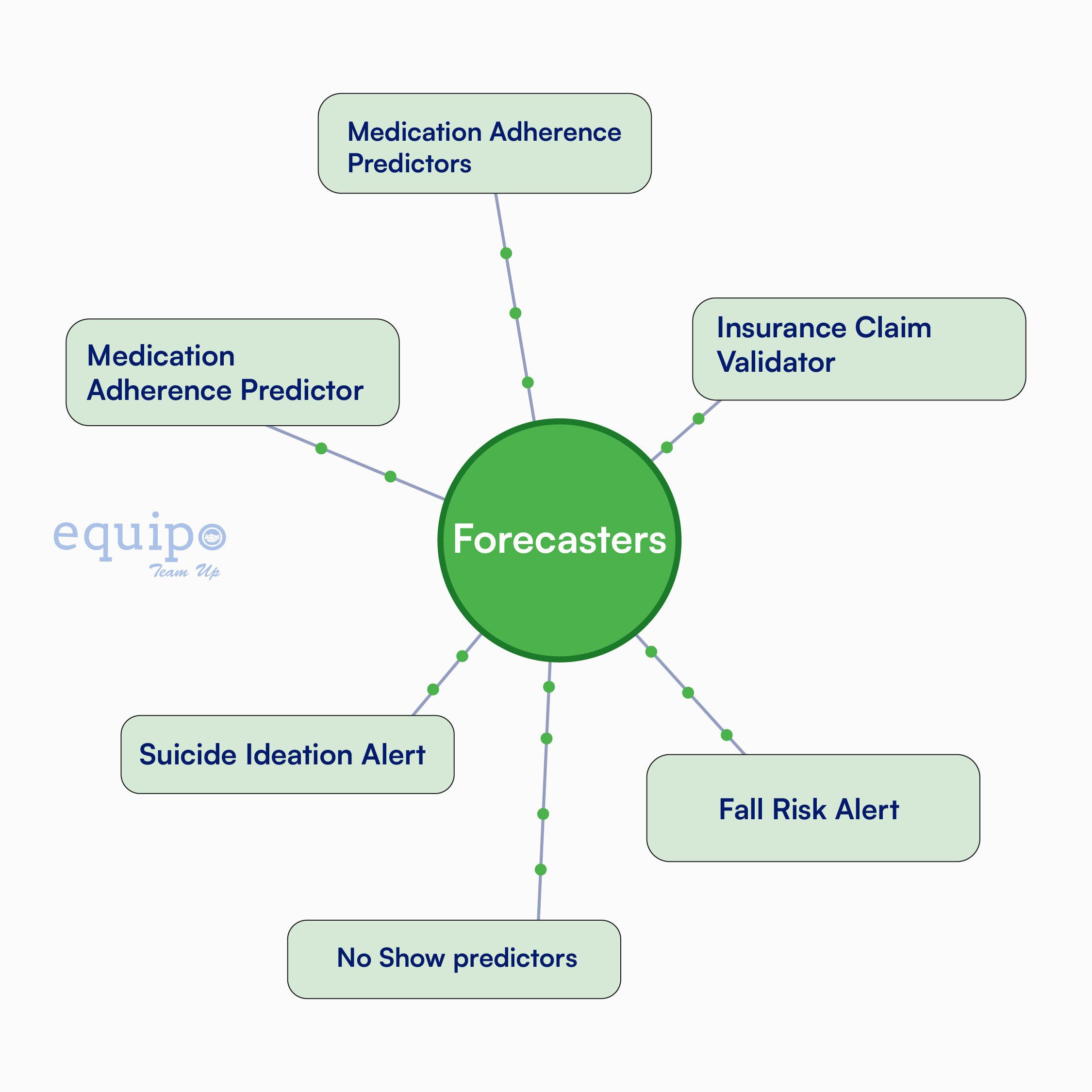
Equipo AI forecasters predict risks such as medication non-adherence, no-shows, falls, and clinical alerts to enable proactive care interventions.
Equipo Health launches embedded AI ecosystem to surface real-time insights, reduce care team burden, and improve value-based care outcomes.
After years of industry experimentation with predictive models, generative AI tools, and advanced analytics platforms, the relevance of AI in healthcare is no longer in doubt. The focus has shifted toward practical impact: how AI can reduce operational friction, surface actionable insights faster, and strengthen performance in value-based care environments.
Against this backdrop, health technology platform Equipo Health has introduced a new evolution of its care management platform: an embedded AI ecosystem designed to operate directly within care workflows rather than as separate analytical tools.
The approach reflects a growing realization across the healthtech sector. Early AI deployments often focused on standalone analytics layers or experimental pilot programs. While many of these initiatives generated promising insights, they frequently struggled to translate into everyday operational value. The underlying issue was structural. AI systems were often placed outside the operational environments where care teams actually work.
Equipo’s platform development attempts to address that gap by embedding intelligence within the operational loops that already drive care management, referral intake, eligibility verification, prior authorization workflows, care coordination, and care gap management.
According to the company, the philosophy behind the platform’s AI ecosystem is straightforward: automation moves processes forward, but intelligence determines what deserves attention within those processes.
Healthcare organizations while operating in data-rich environments like Electronic health records, payer data streams, remote monitoring devices, and care management platforms continuously generate new information about patients and operations. Yet the challenge facing care teams is rarely a lack of data. Instead, the problem is identifying the signal that requires action at the right moment.
Care managers frequently know that the answers they need exist somewhere within the system. Data may already reveal which referrals are likely to become no-shows, where risk adjustment factor (RAF) capture opportunities are hidden in clinical documentation, which patients are trending toward malnutrition risk, or which recently discharged individuals may be showing early signs of deterioration.
However, locating these insights often requires significant manual effort such as reviewing documents, navigating dashboards, and searching across patient records. In high-volume care management environments, this search process creates a hidden operational cost. Even when automation has streamlined tasks such as referral routing or eligibility verification, the time required to uncover actionable insights can slow decision-making.
This challenge has led many health technology innovators to focus less on traditional predictive modeling and more on prioritization at scale.
Visibly healthcare organizations are beginning to see meaningful ROI from AI adoption, and several categories of capabilities are emerging as particularly valuable. One of the most impactful is clinical document intelligence.
Healthcare systems produce enormous volumes of narrative documentation like referral notes, discharge summaries, diagnostic reports, and physician narratives. AI models capable of reading and interpreting these documents can extract relevant insights automatically, reducing the time care teams spend manually reviewing files while ensuring that critical signals are not overlooked.
Another area gaining traction is the use of AI-driven operational assistants or AI agents. Administrative work remains one of the most significant contributors to healthcare staff burnout. Intelligent agents that help generate documentation, reconcile discharge information, coordinate follow-ups, or prepare claims documentation can dramatically reduce routine administrative tasks. In many organizations, these productivity gains translate directly into measurable cost savings.
Predictive forecasting capabilities are also gaining importance within care management workflows. AI models can detect early indicators of medication adherence issues, appointment no-show probability, or emerging clinical risks across patient populations. By surfacing these insights earlier, care teams can intervene proactively and improve patient engagement outcomes.
Finally, continuous monitoring systems are beginning to demonstrate strong value in population health environments. These systems analyze patient trends in the background, identifying potential deterioration signals, malnutrition risks, or unresolved care gaps. Instead of requiring staff to actively search for these signals, the system surfaces them automatically, enabling earlier interventions.
Together, these capabilities represent a shift toward workflow intelligence:AI that operates within everyday operational processes rather than in isolated analytics dashboards.
How Healthcare Organizations Are Approaching AI Adoption?
As AI adoption accelerates, healthcare leaders are becoming increasingly strategic about implementation. Experience across the industry suggests that successful deployments often follow a phased approach.
Organizations typically begin by identifying operational bottlenecks where information discovery consumes significant time. These may include reviewing clinical documentation, identifying RAF capture opportunities, prioritizing referrals, or coordinating post-discharge follow-ups.
The next step involves embedding intelligence directly within those workflows instead of introducing separate analytical tools. When insights appear automatically within the systems teams already use, adoption becomes more natural and less disruptive.
Finally, organizations align AI capabilities with measurable performance metrics. Improvements in care manager productivity, reductions in no-show rates, stronger RAF capture performance, faster care gap closure, and earlier identification of clinical risks all indicate that AI is delivering operational value.
Why Workflow Intelligence Is Emerging as a Competitive Advantage?
The healthcare industry’s ongoing shift toward value-based care has intensified the importance of operational efficiency. Organizations must simultaneously improve patient outcomes, manage risk, and control costs. In this environment, the ability to identify critical patient signals earlier than competitors can become a meaningful strategic advantage.
Platforms that embed intelligence within care management workflows enable organizations to allocate resources more effectively, prioritize high-risk patients, and intervene earlier in emerging clinical situations. The result is not only greater efficiency but also a more responsive system.
Equipo’s AI Ecosystem: Intelligence Within the Workflow
The AI ecosystem developed by Equipo reflects this broader industry shift toward embedded intelligence. Instead of introducing separate AI modules, the platform integrates multiple layers of intelligence within its care management workflows.
These include AI-driven document analysis capabilities, operational assistants designed to reduce administrative burden, predictive forecasting models that identify emerging risks, and continuous monitoring systems that track patient trends in the background.
By integrating these capabilities directly into operational processes, the platform aims to reduce the information friction that often slows care coordination. The underlying principle guiding the platform’s development is simple: technology should make care delivery easier for the people responsible for delivering it.
The Next Phase of AI in Healthcare Platforms is practical operational integration. For many leaders, the next challenge will be determining how to move from isolated AI pilots to platforms where intelligence is embedded across everyday workflows.
The organizations that succeed may not necessarily deploy the most sophisticated algorithms. Instead, they will be those that integrate intelligence in ways that improve real-world decision-making for care teams. The true promise of AI lies not in adding more technology to healthcare systems, but in building platforms that pay attention to the signals that matter most.
Prince Mamman
Connect Care
+1 732-221-1050
email us here
Visit us on social media:
LinkedIn
Instagram
Legal Disclaimer:
EIN Presswire provides this news content "as is" without warranty of any kind. We do not accept any responsibility or liability for the accuracy, content, images, videos, licenses, completeness, legality, or reliability of the information contained in this article. If you have any complaints or copyright issues related to this article, kindly contact the author above.
