

William Hankla on Enterprise Transformation, Governance & Future of Work with Sanjay Puri — CAIO Connect Podcast

CAIO Connect Podcast
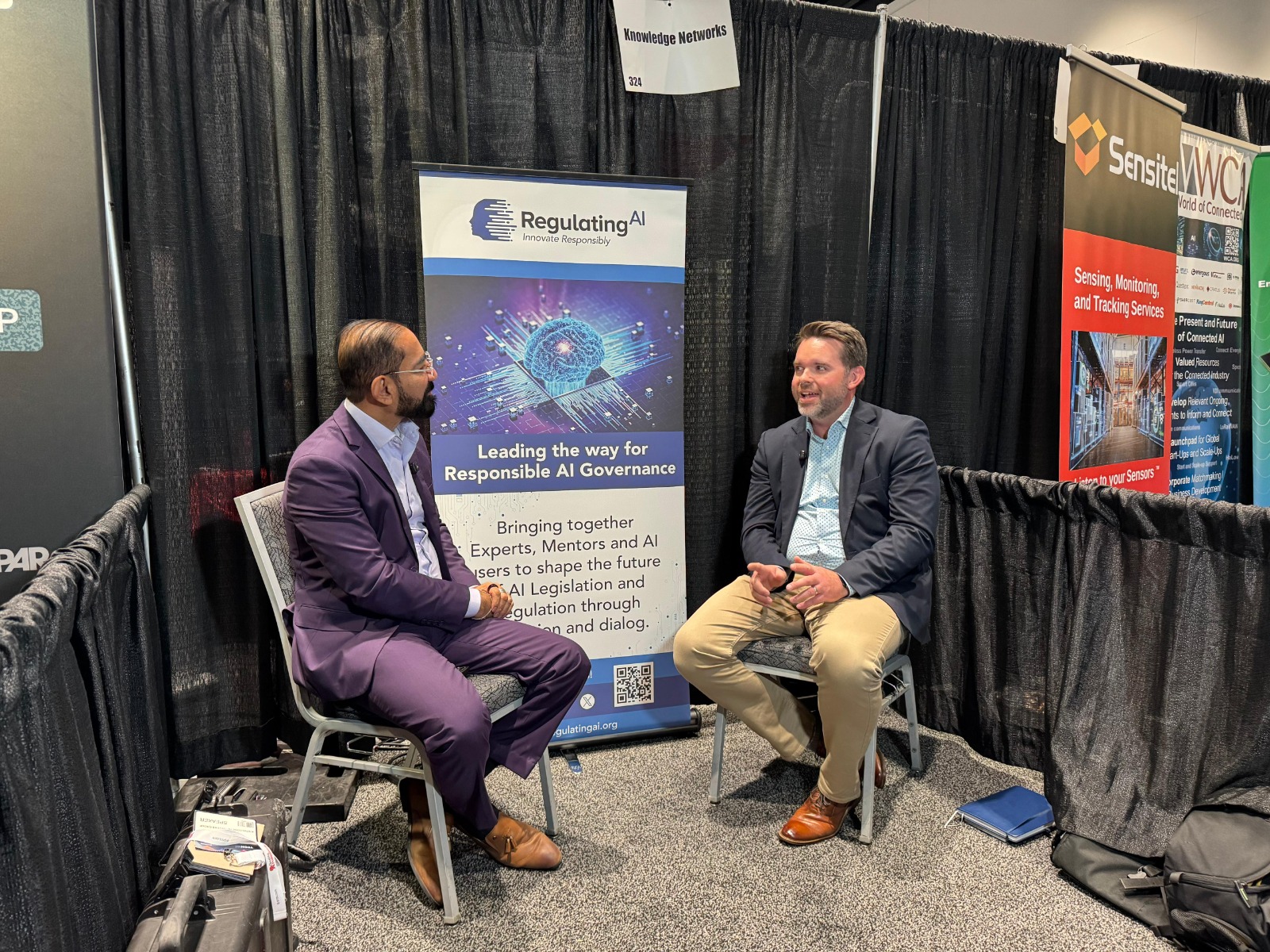
William Hankla, CSCP, Vice President of Transformation at The Hershey Company, with Sanjay Puri, President of CAIO Connect
CAIO Connect Podcast features Hershey VP Will Hankla discussing AI-led manufacturing transformation, ROI, governance, agents, and change management insight
Every single function right now is thinking AI. We’re embedding it into how we operate and ways of working. ”
SAN JOSE, CA, UNITED STATES, May 26, 2026 /EINPresswire.com/ -- The CAIO Connect Podcast, recorded live at TechEx at the San Jose Convention Center, featured William Hankla, Vice President of Transformation at The Hershey Company, in conversation with the podcast host Sanjay Puri, focusing on how AI is reshaping manufacturing and enterprise modernization. Hankla emphasized that AI is now a daily priority across all business functions at Hershey, influencing investment decisions, operational design, and long-term transformation strategy. The discussion centered on how legacy manufacturers are adapting to AI while balancing short-term wins with sustainable long-term capability building in a highly competitive environment.— William Hankla
Hankla, who previously worked at Deloitte before joining The Hershey Company, reflected on the shift from being an external advisor to an internal operator. He explained that consultants often design solutions, but operators are accountable for execution and outcomes. At Hershey, this “operator mindset” drives full ownership of transformation initiatives, from planning through delivery. With AI embedded across functions like marketing, finance, and supply chain, Hankla noted that the company’s goal is not just experimentation but enterprise-wide modernization that delivers measurable business value.
A major focus of the conversation was how Hershey prioritizes AI use cases. Hankla highlighted that the company aligns AI investments with its broader strategic objectives, starting from business capabilities required in functions like supply chain and finance. He stressed the importance of structured governance and stage-gating processes to ensure ROI and avoid fragmented experimentation. Early AI initiatives are often designed to generate quick returns, building a “war chest” that funds longer-term transformation while balancing cost savings, productivity gains, and revenue growth.
Change management emerged as a critical success factor in AI adoption. Hankla underscored that transformation cannot be driven solely by central teams or consultants; accountability must sit within the business units deploying the solutions. He referenced structured frameworks such as ADKAR to ensure employees understand the value of new tools and actively adopt them. According to him, even the most advanced AI solution fails if users do not understand why it matters or how it improves their work, making cultural alignment as important as technical deployment.
The discussion also explored emerging areas such as agentic AI, workforce impact, and governance. Hankla described Hershey’s approach to deploying AI agents in high-volume, repetitive processes while keeping strategic and customer-facing decisions human-led. He also addressed broader concerns around liability, emphasizing that companies must remain accountable when AI systems cause harm. On talent, he noted Hershey’s distributed workforce model and investment in upskilling, ensuring AI capabilities are not limited to traditional tech hubs like Silicon Valley.
Finally, Hankla connected AI adoption in manufacturing to real-world operational gains, particularly in supply chain optimization, waste reduction, and inventory management. He highlighted that AI can significantly improve decision-making at every level, from hourly operational choices to long-term planning. However, he cautioned that successful transformation requires identifying the most cost-intensive areas first. The conversation concluded with insights on leadership skills for future transformation roles, where problem-solving ability, analytical thinking, and strong change management were identified as essential for driving lasting AI-led enterprise change.
Upasana Das
Knowledge Networks
email us here
Legal Disclaimer:
EIN Presswire provides this news content "as is" without warranty of any kind. We do not accept any responsibility or liability for the accuracy, content, images, videos, licenses, completeness, legality, or reliability of the information contained in this article. If you have any complaints or copyright issues related to this article, kindly contact the author above.
