

Advanced Hyperbaric Recovery Inc. Highlights Research on HBOT and Sleep Quality
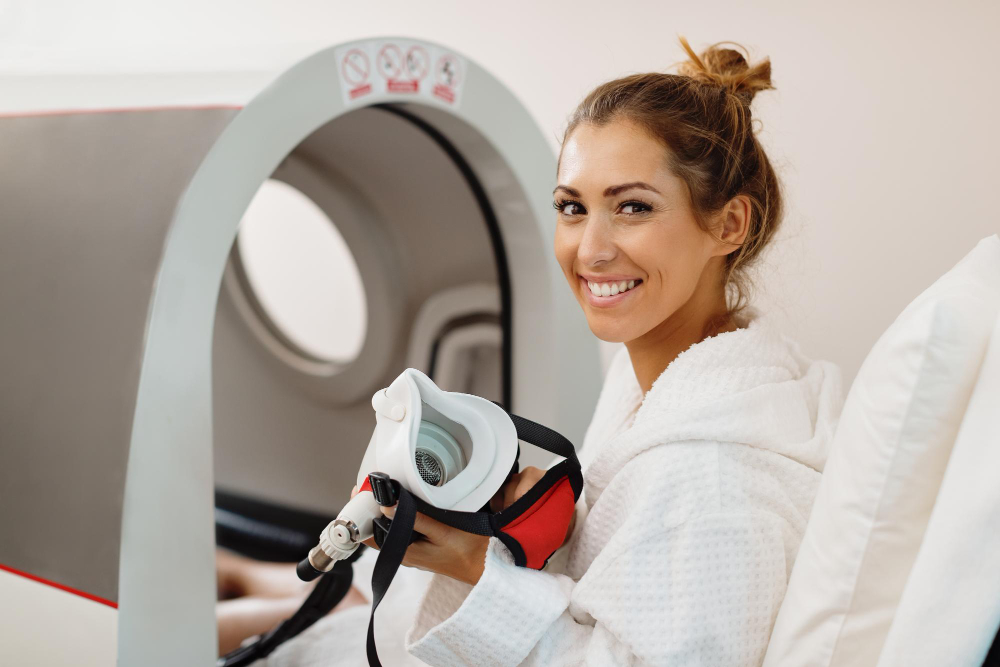
medical-grade hyperbaric oxygen therapy
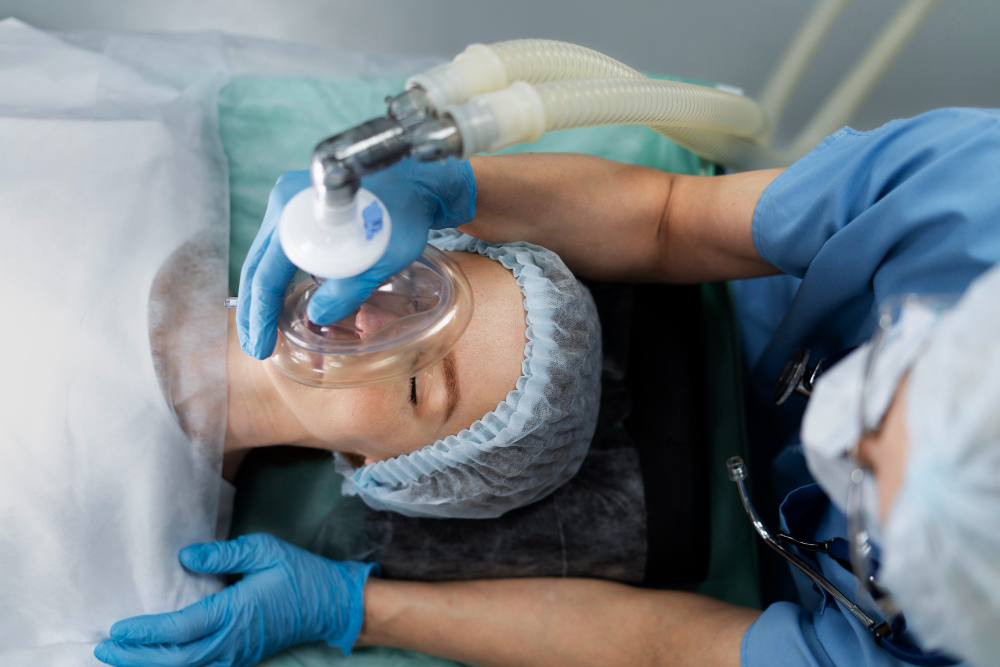
hyperbaric oxygen therapy
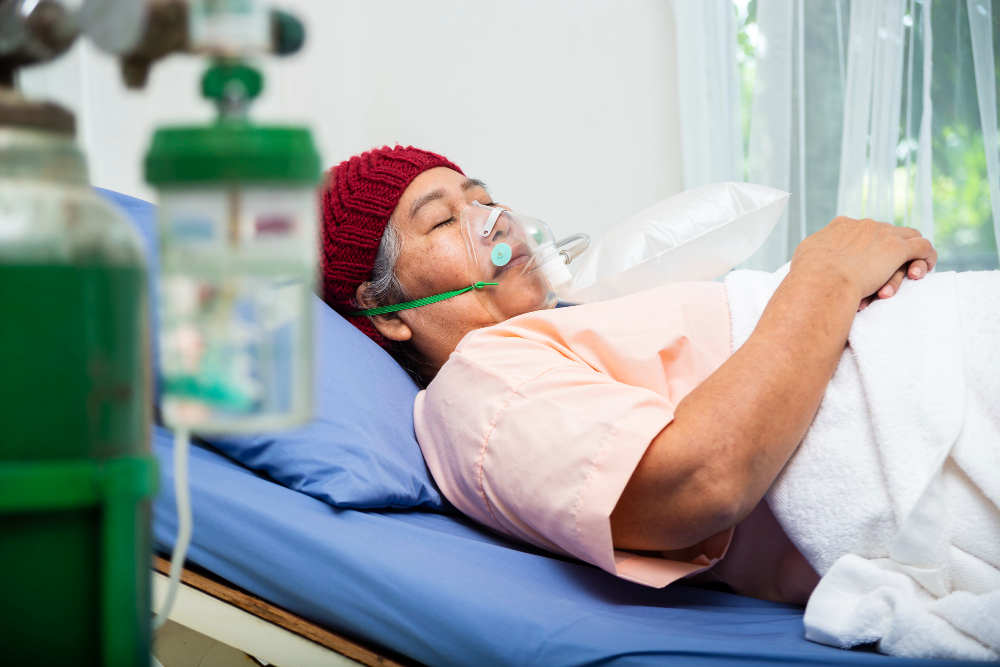
hyperbaric oxygen therapy facility located in San Rafael California
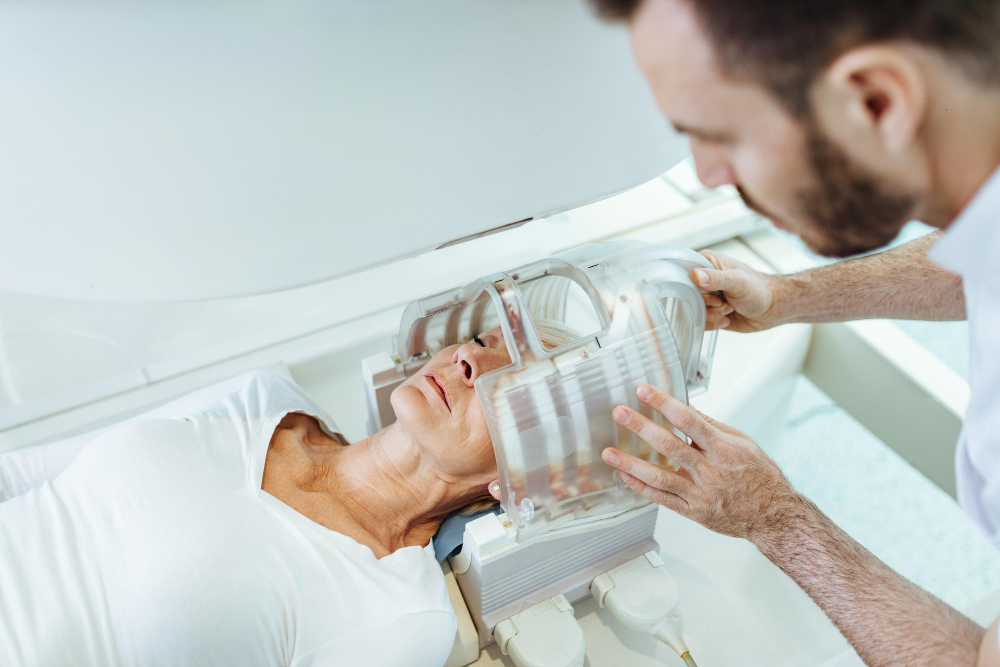
therapy
Emerging research suggests HBOT may improve sleep quality in healthy aging, long COVID, and PTSD patients, supporting further controlled clinical trials.
SAN RAFAEL, CA, UNITED STATES, August 18, 2026 /EINPresswire.com/ -- Advanced Hyperbaric Recovery Inc. is highlighting emerging clinical research examining the relationship between medical-grade hyperbaric oxygen therapy (HBOT) and sleep quality across several patient populations, including healthy aging, long COVID, and post-traumatic stress disorder (PTSD). A recent retrospective longitudinal study conducted at the Sagol Center for Hyperbaric Medicine and Research evaluated changes in sleep quality among 395 patients who completed a 60-session HBOT protocol. The treatment protocol consisted of 2.0 atmospheres absolute (ATA), 100% oxygen, and 90-minute sessions conducted five days per week. The study used the Pittsburgh Sleep Quality Index (PSQI), a standardized questionnaire used to assess subjective sleep quality and related sleep characteristics.Research Examined Sleep Quality Across Three Patient Groups
The study included 180 individuals treated for healthy aging, 92 patients with long COVID, and 123 patients with PTSD. The average baseline age of participants was 57.9 years, with women representing 31% of the study population.
Researchers found that total PSQI scores improved significantly following the HBOT treatment protocol across all three groups. The reported statistical significance was p < 0.001, with effect sizes ranging from Cohen’s d = 0.37 to 0.91.
Improvements were also observed in several specific areas of sleep, including subjective sleep quality, sleep latency, and sleep disturbances across all three patient groups.
Daytime dysfunction improved among participants in the healthy aging and long COVID groups, although a statistically significant improvement was not observed in the PTSD group for this component.
The study also found that medication use remained unchanged during the evaluation period.
One of the most notable findings involved baseline sleep quality. Patients who began the study with disturbed sleep, defined by a PSQI score greater than 5, demonstrated broad and statistically significant improvements. Participants who already reported normal sleep showed comparatively minimal changes.
What the Findings May Mean for HBOT and Sleep
The researchers proposed that HBOT may influence sleep through several biological mechanisms associated with the therapy's effects on the nervous and vascular systems.
The study discusses the hyperoxic-hypoxic paradox, referring to the biological response created by controlled changes in oxygen availability during HBOT. According to the research, these oxygen fluctuations may activate pathways involving hypoxia-inducible factors (HIF), vascular endothelial growth factor (VEGF), angiogenesis, stem cell proliferation, and mitochondrial biogenesis.
The researchers also discuss reductions in neuroinflammation and changes associated with neuroplasticity.
These mechanisms are relevant because sleep disturbances can occur alongside conditions involving neuroinflammation, autonomic dysfunction, aging-related changes, and neurological impairment. The research therefore examines HBOT not simply as an oxygen-delivery treatment, but as a therapy that may influence broader physiological processes associated with brain function and recovery.
Previous Research Has Also Examined HBOT and Sleep
The study builds upon earlier research involving different patient populations.
Previous studies have reported potential improvements in sleep duration and sleep latency among children with cerebral palsy following HBOT. Research involving Parkinson’s disease has also reported associations between HBOT and improved sleep efficiency, longer total sleep duration, reduced sleep latency, and fewer nighttime awakenings.
The study further references research involving PTSD in which HBOT was associated with reduced nightmares and improved sleep quality.
At the same time, the researchers acknowledge limitations in the existing literature, including relatively small study populations, differences between patient groups, and variations in the methods used to measure sleep outcomes.
The current study therefore contributes additional data while recognizing the need for controlled clinical trials to better determine which patients are most likely to benefit and how HBOT may influence sleep.
Researchers Call for Controlled Trials to Clarify the Findings
Although the findings showed significant improvements in subjective sleep quality across the healthy aging, long COVID, and PTSD groups, the researchers noted that the study was retrospective and relied on questionnaire-based sleep assessments. They concluded that controlled clinical trials are needed to determine which patient populations may benefit most from HBOT and to further examine the biological mechanisms that may contribute to changes in sleep quality.
Advanced Hyperbaric Recovery Inc. Provides Medical-Grade HBOT
Advanced Hyperbaric Recovery Inc. provides medical-grade hyperbaric oxygen therapy in San Rafael, California. The facility's approach includes physician involvement, Certified Hyperbaric Technicians, medical-grade hyperbaric chambers, and established treatment protocols.
The center uses hard-shell monoplace hyperbaric chambers and delivers 100% medical-grade oxygen through its oxygen delivery system. Patient vital signs are monitored during visits, with continuous visual and audio communication throughout treatment.
Advanced Hyperbaric Recovery Inc. also maintains regular equipment inspections and maintenance procedures and emphasizes ongoing staff education in hyperbaric medicine.
The company views emerging research into sleep and HBOT as an important area of clinical discussion, particularly for patients whose sleep concerns occur alongside other medical conditions being evaluated for hyperbaric therapy.
Research Supports Further Investigation
The findings do not establish HBOT as a universal treatment for sleep disorders. Rather, the study reports an association between completion of the specified HBOT protocol and improved subjective sleep quality across three different patient populations.
The researchers concluded that HBOT may have potential as a sleep-modulating therapy and recommended controlled trials to further evaluate its effects and identify the patients most likely to benefit.
For patients considering hyperbaric oxygen therapy, sleep quality may be one component of a broader clinical picture. A qualified medical evaluation remains important for determining whether HBOT is appropriate based on an individual's condition, medical history, and treatment goals.
Advanced Hyperbaric Recovery Inc. continues to provide medical-grade hyperbaric oxygen therapy while following developments in clinical research involving HBOT, including emerging evidence related to sleep, neurological function, recovery, and other areas of medicine.
About Advanced Hyperbaric Recovery Inc.
Advanced Hyperbaric Recovery Inc. is a medical-grade hyperbaric oxygen therapy facility located in San Rafael California. The center provides HBOT under physician oversight using hard-shell hyperbaric chambers, 100% medical-grade oxygen, certified hyperbaric technicians, patient monitoring, and established safety procedures. The facility's team includes physicians and healthcare professionals with education and training in emergency medicine and hyperbaric medicine.
CaseStudy: https://www.frontiersin.org/journals/neurology/articles/10.3389/fneur.2026.1690633/full
https://pmc.ncbi.nlm.nih.gov/articles/PMC12992743/
https://www.sciencedirect.com/science/article/abs/pii/S1389945718303095
https://onlinelibrary.wiley.com/doi/10.1155/2022/8307865
Media Contact:
Advanced Hyperbaric Recovery
Address: Advanced Hyperbaric Recovery, 1118 Irwin St, San Rafael, CA 94901
Fax: (415) 785-8697
Phone: (415) 785-8652
Email: Info@ImproveHealing.com
Website: www.HyperbaricOxygenTherapy.com
Advanced Hyperbaric Recovery
Advanced Hyperbaric Recovery
+1 415-785-8652
Info@ImproveHealing.com
Visit us on social media:
Instagram
Facebook
Legal Disclaimer:
EIN Presswire provides this news content "as is" without warranty of any kind. We do not accept any responsibility or liability for the accuracy, content, images, videos, licenses, completeness, legality, or reliability of the information contained in this article. If you have any complaints or copyright issues related to this article, kindly contact the author above.
