
Tuofa Highlights Complex Titanium CNC Machined Parts for Industrial Applications
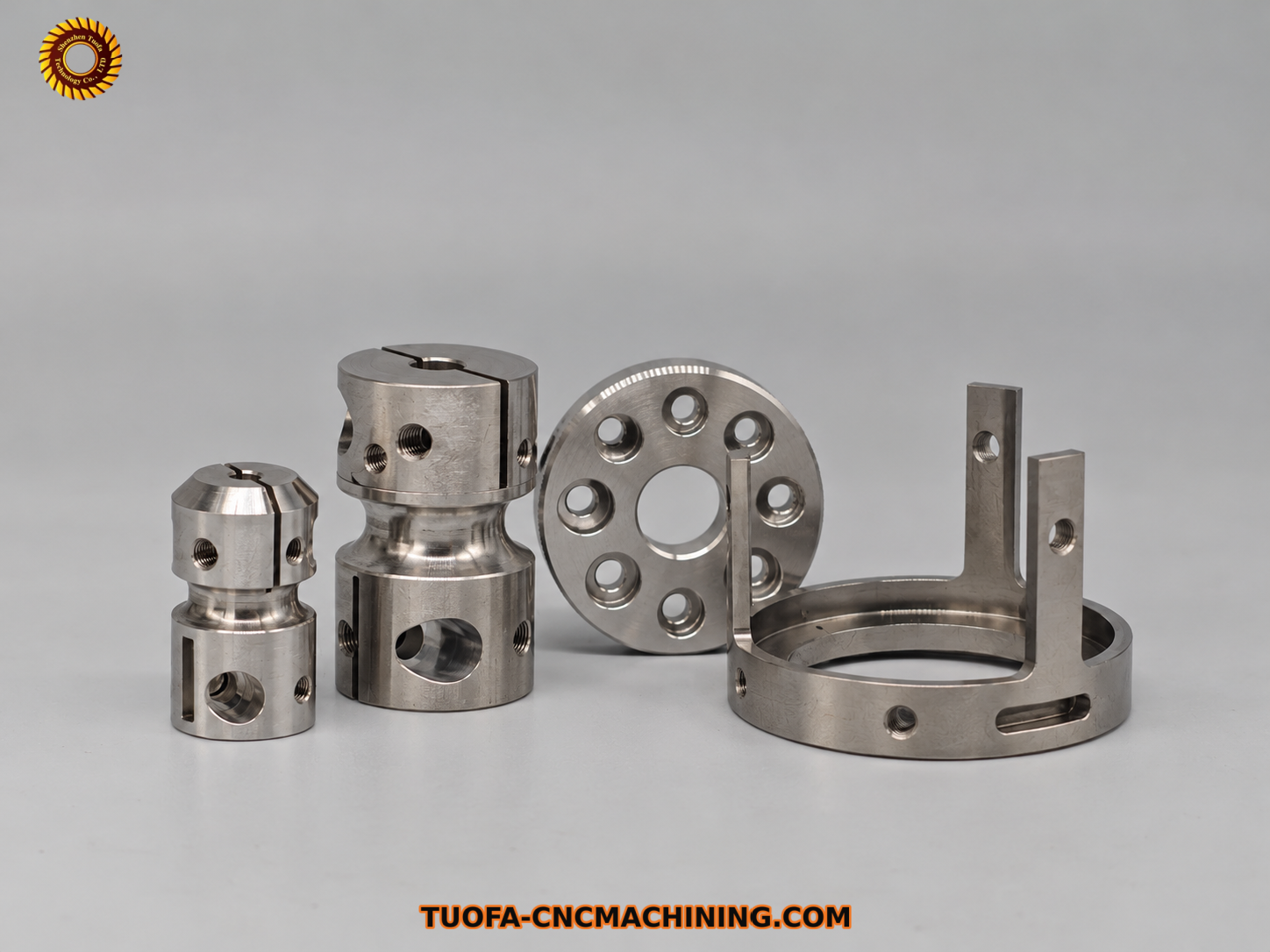
titanium cnc machining parts supplier
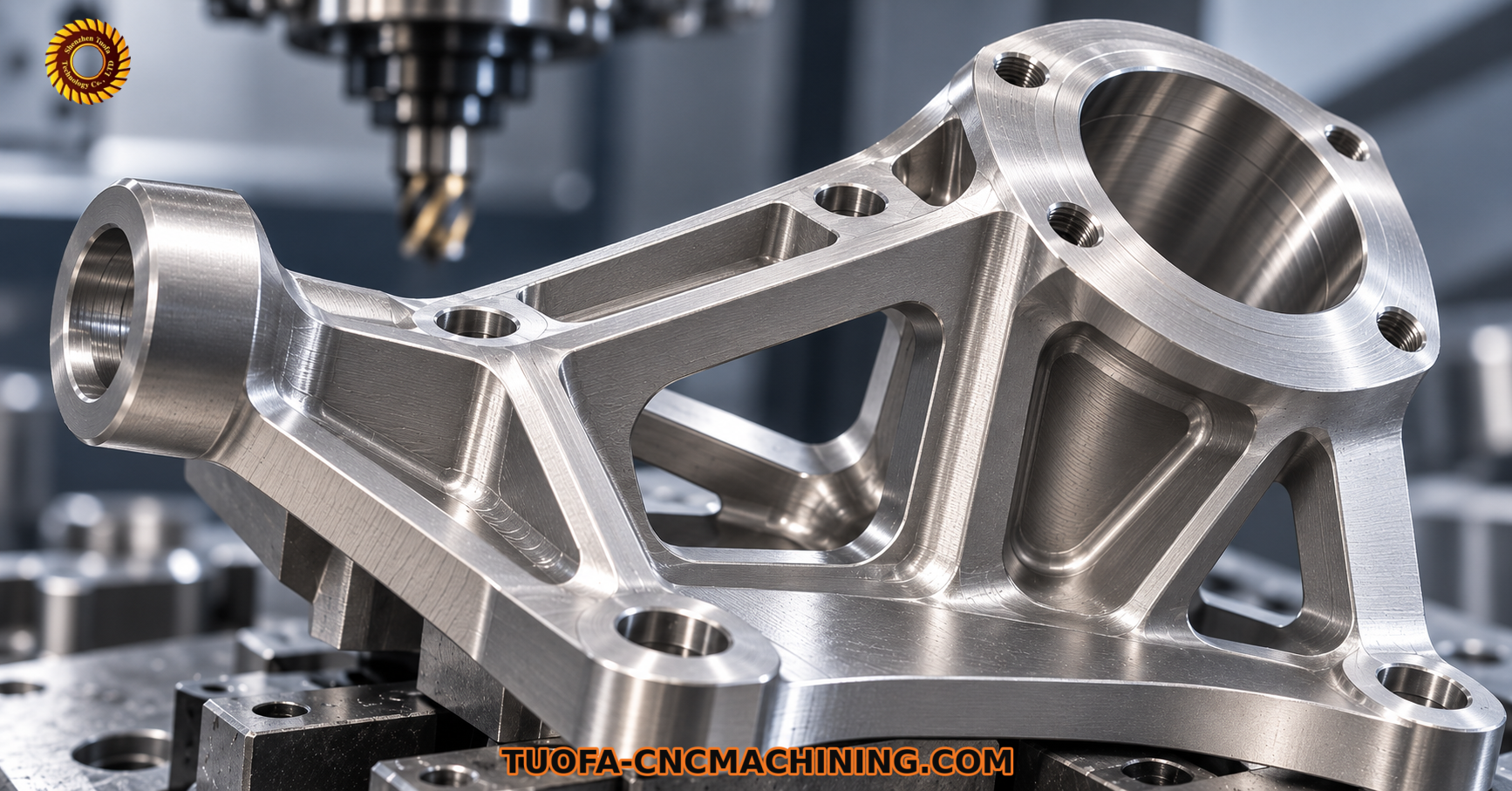
titanium parts supplier

titanium parts in motorcycle Tuofa China cnc machining factory
With Ti-6Al-4V among its focus materials, the Shenzhen manufacturer draws attention to brackets, shafts, fasteners and complex profiles for industrial equipment
LOS ANGELES, CA, UNITED STATES, October 31, 2026 /EINPresswire.com/ -- A support bracket inside a robotic joint may look like a small part of a much larger machine. Yet its drawing can include angled faces, close-fitting holes, deep pockets and thin walls. Those details must align with the rest of the assembly. Made from Ti-6Al-4V, such a bracket also brings the cutting challenges of a high-strength titanium alloy.
The example frames Tuofa CNC Machining's focus on complex titanium parts. The company is highlighting the shapes that industrial equipment builders need, not just the material itself. Its focus covers robotics, factory machinery and selected equipment used in corrosive environments.
A Manufacturing Base in Shenzhen
Shenzhen's industrial network extends through Longhua District and areas around Longsheng. Based in the heart of that landscape, Tuofa operates as a custom CNC machining manufacturer in China. The company works from customer drawings and CAD files, handling prototypes, small batches and repeat orders.
Part geometry often decides the production plan. A thin-walled bracket, a stepped shaft and a threaded connector may all use titanium. They do not, however, call for the same equipment, fixtures or inspections.
Why Ti-6Al-4V Is a Focus Material
Ti-6Al-4V, also known as Grade 5 titanium, combines high strength with relatively low density. That makes it useful for selected parts where weight and mechanical load both matter. It also offers corrosion resistance in many environments. Those qualities matter in robotic assemblies and specialized equipment.
The grade still needs careful evaluation. Material cost, cutting time, wear at contact surfaces and the intended working environment all affect suitability. Choosing titanium still requires an application-specific decision.
Brackets and Mounts for Robotics
Robotic arms and automated equipment contain mounting points that must hold their position under repeated movement. Custom brackets may connect an actuator to a joint, support a sensor or secure a lightweight frame. Some combine pockets, mounting faces and holes approached from several directions.
These shapes often suit CNC milling. Four-axis or five-axis machining can improve access to angled features and reduce unnecessary setups. For thin walls, fixture pressure and cutting forces need attention. The result must not only match the drawing. It must also fit the parts around it.
Shafts and Sleeves for Industrial Machinery
Machine builders also use custom pins, shafts, stepped components and sleeves. Their geometry is more rotational than that of a bracket. The priorities may include diameter, concentricity, grooves and the fit between neighboring components.
CNC turning handles the main cylindrical features. When a shaft also needs flats, cross-holes or milled slots, mill-turn machining offers another route. Titanium sleeves used in sliding contact require extra thought. Surface condition and mating materials matter because titanium can gall under friction.
Threaded Parts Beyond Standard Fasteners
Not every machine can use an off-the-shelf screw. Industrial OEMs may require a specific shoulder length, an unusual head, a narrow relief groove or threads close to another feature. These details can make a small connector surprisingly demanding to manufacture.
Precision turning and Swiss-type machining suit some of these designs, depending on diameter and length. Thread fit, burr control and inspection remain important. A part may measure correctly across its outside diameter and still fail during assembly if its threaded interface is wrong.
Plates, Blocks and Irregular Profiles
Other titanium parts are neither round nor simple brackets. Custom plates and interface blocks may bring together intersecting holes, deep pockets, uneven outlines and several mounting planes. These features often appear where different mechanical assemblies meet.
CNC milling, supported by multi-axis operations where appropriate, can reach features that are difficult to machine from one direction. Good workholding is especially important when material is removed from several sides. Designers may also need to review internal radii and tool access before machining starts.
Parts for Corrosive Industrial Environments
Marine and chemical-processing equipment adds another set of requirements. Valve components, pump parts, flanges and specialty connectors may face moisture, saltwater or process fluids. Their drawings can include sealing faces, bores and complex flow passages as well as external mounting features.
The correct titanium grade depends on the service conditions. Ti-6Al-4V may suit applications that need higher strength, while commercially pure titanium may be evaluated for other corrosion-focused duties. Medium, temperature and material compatibility should be checked rather than assumed.
From Material Selection to Machining Control
Across these shapes, titanium CNC machining requires more than a suitable machine tool. Titanium retains heat around the cutting area, which can accelerate tool wear. Thin sections can also move under machining forces. Cutting conditions, tool choice, coolant delivery and stable fixtures all influence the outcome.
Tuofa's custom CNC machining services include milling, turning, mill-turn and multi-axis operations. Its engineers review drawings for feature access, tolerances and possible design changes before production. Inspection planning then follows the critical dimensions, especially where a part must locate, seal or fasten to another component.
From Drawings to Repeat Orders
For equipment engineers and buyers, production planning starts with more than a 3D model. The drawing should identify titanium grade, tolerances, quantities and finishing needs. Surfaces that control fit or assembly deserve particular attention. These details help connect initial prototypes with repeat orders.
About Tuofa CNC Machining
Founded in 2006, Tuofa CNC Machining manufactures drawing-based metal and engineering-plastic components in Shenzhen, China. Its work includes CNC milling, CNC turning, mill-turn machining, multi-axis machining and related inspection and finishing support. The company serves industrial customers seeking custom prototypes and recurring production of precision parts.
Expert Team
Tuofa CNC Machining
+86 137 1398 0135
Legal Disclaimer:
EIN Presswire provides this news content "as is" without warranty of any kind. We do not accept any responsibility or liability for the accuracy, content, images, videos, licenses, completeness, legality, or reliability of the information contained in this article. If you have any complaints or copyright issues related to this article, kindly contact the author above.
